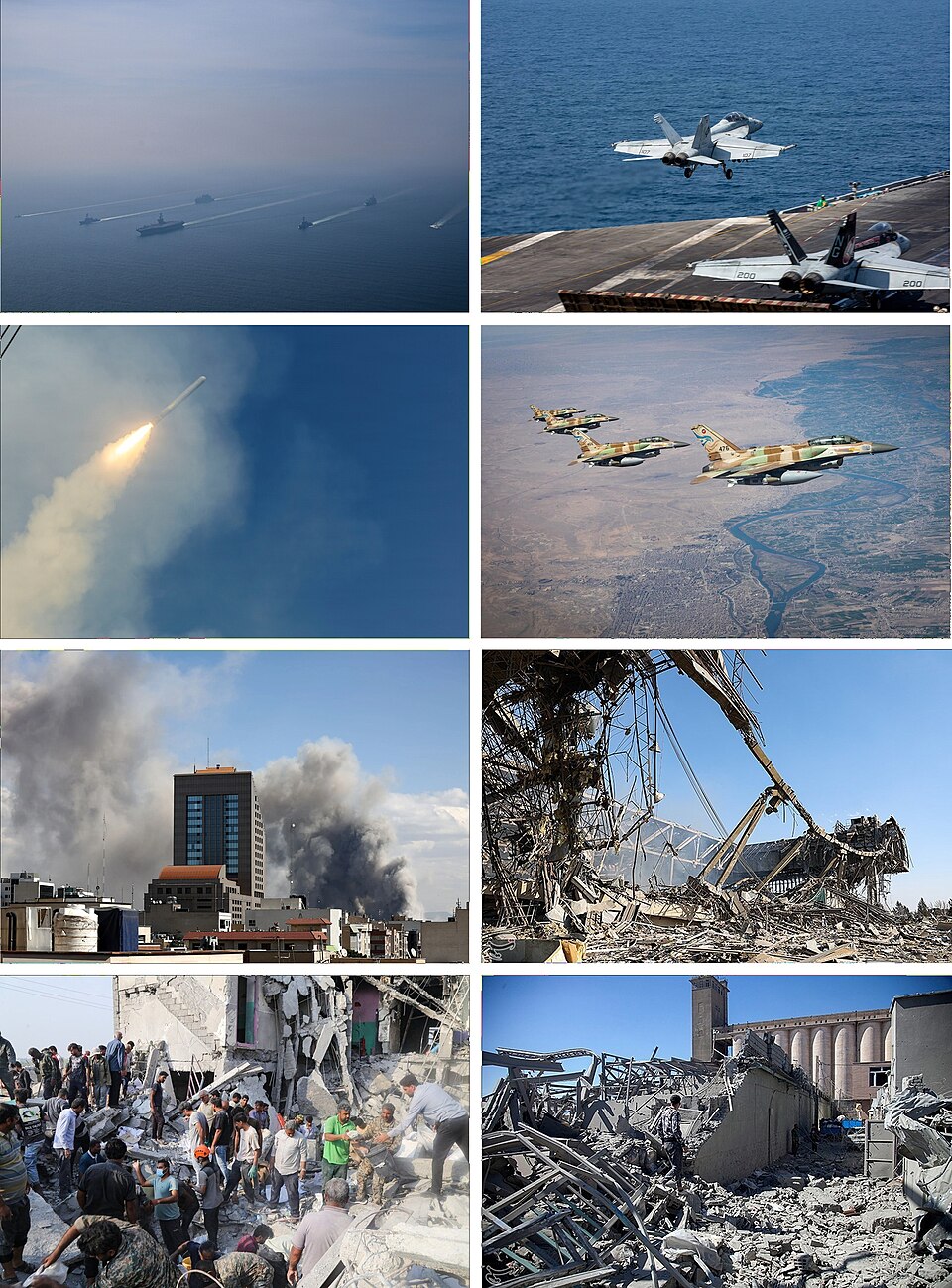
How the Iran War Impacts Your Bills: Fuel, Mortgages, Energy
The unfolding Iran war situation has rapidly transcended geopolitical headlines, seeping into the everyday financial realities of households across the globe. What begins as distant conflict in the Middle East quickly translates into tangible shifts in your personal budget, from the cost of filling up your car to the interest rate on your mortgage. The depth and duration of these financial tremors depend heavily on the conflict's intensity and how swiftly global supply chains and economies can adapt.
As the U.S.-Israeli conflict with Iran continues to spread into the wider region, with reports of U.S. service member casualties and significant market reactions, a palpable sense of economic uncertainty has taken hold. U.S. stocks have traded sharply lower, mirroring downturns in European and Asian markets. In contrast, gold, historically a safe haven during geopolitical instability, has seen futures rise, reflecting investors' flight to safety. But the most immediate and widespread impact for many comes from the escalating prospects of an energy supply shock.
The Ripple Effect on Your Fuel Bills
Drivers have likely already felt the pinch at the pump. Average petrol prices have ticked upwards, with diesel seeing an even more significant rise. According to analysts, a mere $10 increase in crude oil prices typically translates to roughly a 7p per litre jump in pump prices. With crude oil having surged by more than $30 since the war's outset, average petrol prices exceeding 140p a litre appear inevitable, and breaching 150p could become a reality if oil prices don't recede.
The primary driver behind these fuel price hikes is the heightened risk of supply disruptions. Iran's reported closure of the Strait of Hormuz, a critical waterway for global oil transit, and warnings of targeting vessels, have sent shockwaves through the energy market. Even if physical supplies remain stable for now, the sheer *threat* of disruption is enough to push up futures prices, which then filters down to your local petrol station. While motoring organisations assure that current supplies are adequate, they strongly advocate for reducing non-essential journeys and adopting more fuel-efficient driving habits.
Practical Tips for Motorists:
- Drive Smarter: Avoid harsh acceleration and braking. Maintain a steady speed within speed limits.
- Reduce Weight: Remove unnecessary items from your boot.
- Check Tyre Pressure: Properly inflated tyres improve fuel efficiency.
- Plan Routes: Use navigation apps to find the most efficient routes and avoid traffic.
- Consider Alternatives: For shorter commutes, explore carpooling, public transport, cycling, or walking.
Beyond the direct impact on motorists, rising fuel prices have a cascading effect across the economy. Increased transport costs for goods and services inevitably get passed on to consumers. This means higher prices for everything from your weekly supermarket shop to delivered parcels, contributing to broader inflationary pressures. The iran war situation doesn't just affect your car; it indirectly touches nearly every purchase you make.
Navigating Mortgage Market Volatility
The housing market, particularly mortgage rates, is another area where the iran war situation is making its presence felt. While rates haven't "shot up" dramatically, they are certainly on an upward trajectory. For homeowners looking to secure a new two or five-year fixed deal, or those renewing existing agreements, the cost of borrowing is increasing.
As of early March, the average rate for a two-year fixed mortgage had climbed to 4.87%, with the average five-year fix reaching 4.98%. This marks a significant shift, considering these rates were above 5% just last August. The talk among financial experts is of "painful" rises to come, particularly for those seeking shorter-term deals. When economic uncertainty looms, lenders become more cautious, perceiving a higher risk in lending. This often leads to increased funding costs for them, which they, in turn, pass on to borrowers.
A clear indication of this market anxiety is when lenders begin withdrawing mortgage products from the market, rather than simply tweaking prices. This signals that funding costs are moving too quickly for incremental adjustments, forcing them to reprice entire ranges at a higher level. Reduced choice and higher costs mean a more challenging environment for prospective homebuyers and those looking to remortgage.
Actionable Advice for Homeowners:
- Consult a Broker Early: Independent mortgage brokers can provide a broader view of the market and access deals you might not find directly.
- Lock in Rates: If you're nearing the end of your current deal, consider locking in a new rate well in advance (some lenders allow this up to six months ahead).
- Assess Your Options: Weigh the pros and cons of fixed vs. variable rates, and longer-term vs. shorter-term fixes based on your risk tolerance and financial stability.
- Improve Your Credit Score: A strong credit profile can help you access more favorable rates.
- Budget for Increases: Anticipate and factor in potential increases in your monthly mortgage payments.
The broader Iran War's Global Shock: Oil Prices Surge, Stocks Tumble also contributes to the mortgage market's woes. Global investor confidence takes a hit, leading to capital flight from riskier assets and into safer havens, which can indirectly influence bond yields and, subsequently, mortgage rates.
Rising Energy Costs and Household Budgets
While some protection exists for household gas and electricity bills in certain regions, thanks to price caps set by energy regulators, this protection is often time-limited and doesn't cover all consumers. For instance, in the UK, the Ofgem price cap provides a buffer, and prices were even set to decrease in April. However, this is a delicate balance. The wholesale energy market's performance between now and late May will be the critical determinant for household bills stretching into the summer months.
A sustained period of elevated wholesale costs, directly influenced by the iran war situation and its impact on oil and gas markets, could result in a sharp increase in energy prices for millions. Heating oil costs, which are typically less regulated than gas and electricity, are particularly vulnerable to these wholesale price spikes, directly tracking the rise in crude oil prices.
The interconnectedness of global energy markets means that disruptions in oil supply, or even the *threat* of them, can quickly drive up prices across the board – affecting not just petrol but also the cost of natural gas used for heating and electricity generation. This creates a challenging environment for households trying to manage their budgets.
Energy-Saving Strategies:
- Insulate Your Home: Proper loft and cavity wall insulation can significantly reduce heat loss.
- Manage Your Thermostat: Lowering your thermostat by even one degree can make a difference. Use programmable thermostats to heat your home only when needed.
- Service Your Boiler: An efficiently running boiler uses less fuel.
- Seal Draughts: Prevent heat escape through windows and doors.
- Consider Smart Meters: Gain better visibility and control over your energy consumption.
- Explore Renewable Energy: Long-term, investing in solar panels or other renewables can provide a hedge against volatile fossil fuel prices.
Broader Economic Fallout: From Stocks to Supply Chains
The economic repercussions of the iran war situation extend far beyond fuel, mortgages, and energy. Global stock markets have reacted negatively, reflecting widespread investor apprehension. The immediate sell-off across U.S., European, and Asian markets underscores a broader erosion of confidence. Investors typically seek stability during such times, leading to a surge in demand for traditional safe-haven assets like gold, whose futures have seen a notable rise.
Moreover, the conflict has already begun to compromise critical infrastructure. Reports of drone attacks knocking multiple Amazon Web Services data centers offline in the Middle East highlight the vulnerability of technology infrastructure in conflict zones. Such disruptions can have far-reaching effects on businesses reliant on these services, leading to downtime, increased operational costs, and potential data security concerns.
The threat to shipping lanes, particularly the Strait of Hormuz, doesn't just impact oil. It represents a broader risk to global trade and supply chains. Increased shipping costs, delays, and rerouting can lead to shortages of goods, further driving up prices for consumers. In essence, the conflict acts as a significant inflationary pressure point, potentially leading to higher costs for a wide array of imported goods and components.
Conclusion: Navigating the New Financial Landscape
The iran war situation serves as a stark reminder of how interconnected our global economy is and how quickly geopolitical events can translate into personal financial challenges. From the petrol pump to your mortgage statement and energy bill, the ripple effects are undeniable. While the full extent and duration of these impacts remain uncertain, staying informed, adapting your spending habits, and proactively seeking advice can help you navigate this volatile financial landscape. Prudence in spending, a focus on energy efficiency, and careful consideration of financial commitments are more crucial than ever in these turbulent times.