The Strait of Hormuz Closure: A Geopolitical Tremor Shaking Global Shipping and Oil
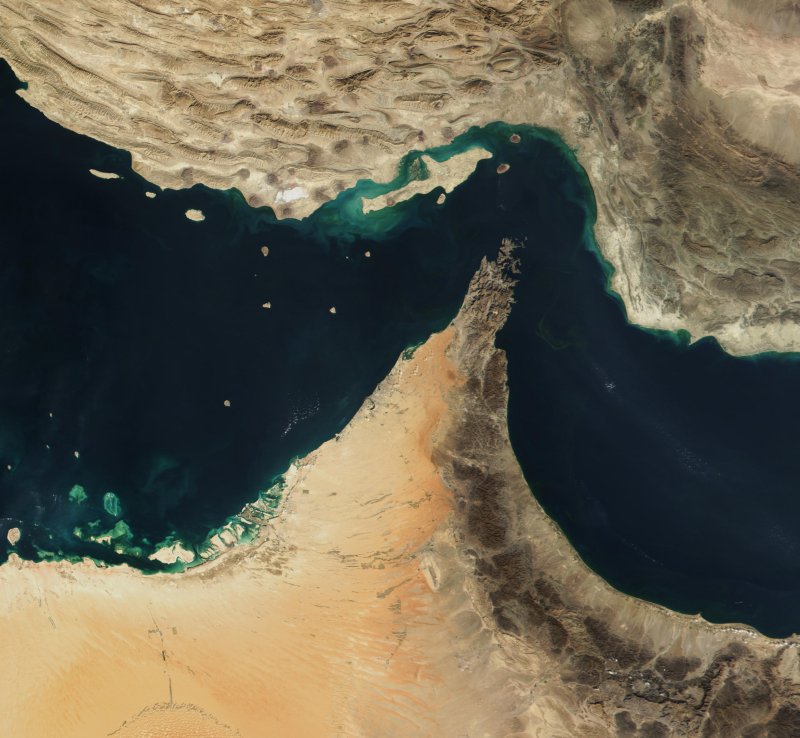
The Strait of Hormuz, a narrow waterway connecting the Persian Gulf with the Arabian Sea, stands as the world's most critical oil chokepoint. Its strategic importance cannot be overstated, with an estimated 20-30% of the world's total petroleum liquids and a significant portion of global liquefied natural gas (LNG) passing through its waters daily. In the shadow of the escalating iran war situation, the mere threat of its closure has sent shockwaves across international markets, directly impacting global shipping, oil prices, and indeed, the daily finances of millions worldwide.
Recent developments, including warnings from Iran to target vessels attempting to transit the waterway, have transformed a hypothetical risk into a tangible concern. This article delves into the profound implications of such a closure or severe disruption, exploring its immediate effects on energy markets, supply chains, and consumer bills, while also examining the global responses and potential long-term repercussions.
The Strait of Hormuz: A Global Chokepoint Under Threat
Geographically, the Strait of Hormuz is a marvel of strategic significance, just 21 miles wide at its narrowest point, with shipping lanes a mere two miles wide in either direction. For decades, it has served as the indispensable artery for oil and gas exports from major producers like Saudi Arabia, Iran, Iraq, Kuwait, Qatar, and the UAE. Any disruption here is not merely a regional issue; it is a global economic catastrophe waiting to unfold. The current iran war situation has brought this vulnerability to the forefront.
The immediate consequence of heightened tensions or an actual closure is a dramatic surge in crude oil prices. Prospects of an energy supply shock have already sent oil prices soaring, with analysts noting that every $10 increase in crude oil can translate to roughly a 7p per litre jump at the petrol pump. With crude having already jumped by more than $30 since the conflict began, average petrol prices of more than 140p a litre are becoming inevitable in many regions, with 150p per litre potentially breached if oil prices do not stabilize. This volatility is a direct reflection of the market's fear regarding the security of oil supply lines. Beyond oil, the transit of LNG is also jeopardized, threatening global gas supplies and potentially driving up heating costs.
For more details on how these global events translate to your daily expenses, read our related article: How the Iran War Impacts Your Bills: Fuel, Mortgages, Energy.
Ripple Effects: Fuel Prices and Inflationary Pressures
The direct impact on fuel prices for motorists is often the first and most noticeable consequence of an unstable iran war situation. Drivers in many countries have already observed a significant uptick at the pumps. While motoring organizations assure that there are currently sufficient supplies, the underlying fear of future scarcity, coupled with rising wholesale costs, is driving prices north. To mitigate the immediate financial sting, motorists are advised to reduce non-essential journeys and adopt fuel-efficient driving styles, such as avoiding aggressive acceleration and braking.
However, the ripple effect extends far beyond individual fuel tanks. Increased transport costs for commercial entities, from supermarkets to manufacturing plants, inevitably carry through to higher prices for goods and services. This contributes to broader inflationary pressures, eroding consumer purchasing power and potentially slowing economic growth. Supply chains, already fragile from recent global events, face renewed stress. Shipping insurance premiums skyrocket, further increasing freight costs and making international trade more expensive and riskier. Companies reliant on just-in-time inventory models could face significant delays and stock shortages, impacting product availability and consumer choice.
Broader Economic Fallout: Mortgages, Energy, and Market Instability
The economic ramifications of the iran war situation and the threat to the Strait of Hormuz extend into various sectors, impacting household finances in unexpected ways. Mortgage rates, for instance, are sensitive to economic uncertainty. Lenders, anticipating higher inflation and potential interest rate hikes by central banks to combat it, begin to adjust their offerings. We're already seeing talk of "painful" rises for borrowers, particularly those seeking shorter-term deals. Financial information services report average rates on two- and five-year fixed deals creeping upwards, with some lenders even temporarily withdrawing entire mortgage product ranges to reprice them at higher levels. This reduces choice for consumers and adds significant financial pressure on homeowners looking to renew or secure new deals.
Energy bills for households are also under threat, even in regions with price caps. While immediate protection might exist, the wholesale energy market's behavior now directly dictates future prices. A sustained period of high wholesale oil and gas costs, fueled by the *iran war situation*, could lead to sharp increases in household gas and electricity bills in the coming months. Beyond direct household costs, the conflict has also introduced new vulnerabilities in global infrastructure. Amazon Web Services, for example, reported multiple data centers being knocked offline by drone attacks, highlighting the potential for widespread disruption to vital digital services.
This widespread instability has a tangible impact on global financial markets. US stocks have traded sharply lower, with European and Asian markets following suit. Investors flock to safe-haven assets like gold, though even these can experience volatile swings. This market turmoil reflects a pervasive fear of recession, supply chain disruption, and geopolitical instability. For a deeper dive into the market reactions, see: Iran War's Global Shock: Oil Prices Surge, Stocks Tumble.
Mitigating Risks: Global Responses and Future Outlook
In response to the escalating iran war situation and the threat to the Strait of Hormuz, international efforts are being mobilized to ensure the continued free flow of commerce. The United States has pledged to offer insurance for Gulf shipping and provide escorts for tankers, a critical measure aimed at reassuring shipping companies and mitigating the risk of attacks. This military presence serves as a deterrent and a practical safeguard, but it also underscores the gravity of the situation and the potential for direct confrontation.
Beyond military escorts, other strategies could include:
- Strategic Petroleum Reserves: Major economies could tap into their strategic oil reserves to temporarily increase supply and stabilize prices in the event of severe disruption.
- Diplomatic Engagement: Intensified diplomatic efforts are crucial to de-escalate tensions and find peaceful resolutions to the underlying iran war situation.
- Diversification of Energy Sources: In the long term, nations are likely to accelerate efforts to diversify their energy imports and invest in renewable energy sources to reduce reliance on vulnerable chokepoints.
- Alternative Shipping Routes: While less efficient and more costly, exploring and enhancing alternative shipping routes (e.g., pipelines bypassing the Strait or longer routes around Africa) might become a necessity for some cargo.
Conclusion
The potential closure or significant disruption of the Strait of Hormuz, fueled by the current iran war situation, represents a formidable threat to the global economy. From soaring fuel prices and increased mortgage rates to disrupted supply chains and volatile financial markets, the interconnectedness of our world means that a geopolitical tremor in one vital region can be felt in every household. While immediate measures like military escorts and strategic reserves offer some short-term relief, the long-term solution lies in sustained diplomatic efforts, diversified energy strategies, and a collective commitment to maintaining global stability. Vigilance, adaptability, and proactive planning will be essential for individuals and economies navigating these turbulent waters.