Iran War's Global Shock: Oil Prices Surge, Stocks Tumble
The escalating iran war situation has sent undeniable shockwaves across the globe, impacting economies, financial markets, and the everyday lives of citizens far beyond the conflict zone. What began as a regional conflict has rapidly morphed into a significant global economic disruptor, characterized by a sharp surge in oil prices and a widespread downturn in stock markets. The immediate tremors are palpable, from petrol pumps to mortgage rates, signalling a period of profound uncertainty and economic readjustment for millions.
The depth and longevity of this economic turbulence hinge critically on the duration of the conflict and the speed with which disrupted supply lines and strained economies can recover. However, the initial fallout already demands attention, prompting consumers and businesses alike to brace for potentially sustained financial pressure. Understanding these interconnected impacts is crucial for navigating the challenging landscape ahead.
The Immediate Tremors: Oil, Fuel, and Supply Chain Chaos
At the heart of the current global economic anxiety lies the volatility of the oil market. The mere prospect of an energy supply shock, exacerbated by reports of Iran closing the critical Strait of Hormuz and threatening vessels attempting transit, has sent crude oil prices soaring. For analysts, every $10 increase in oil prices typically translates to roughly a 7p per litre jump at the petrol pump. With crude having already leaped by more than $30 since the conflict began, average petrol prices exceeding 140p a litre appear inevitable, and breaking the 150p mark could soon follow if oil doesn't recede.
This surge isn't confined to motorists alone. The spiralling cost of fuel directly impacts transportation for goods and services globally. Businesses relying on shipping, air freight, or even local deliveries face significantly higher operational costs, which inevitably filter down to consumer prices. The conflict has also compromised crucial tech infrastructure in the Middle East, with reports of drone attacks knocking multiple Amazon Web Services data centers offline. This highlights a broader vulnerability within global supply chains, extending beyond energy to digital connectivity and data flow.
To mitigate the immediate impact, motoring organisations are urging drivers to reduce non-essential journeys and adopt fuel-efficient driving habits, such as avoiding harsh acceleration and braking. Businesses, too, must quickly re-evaluate their logistics and supply chain resilience. For a deeper dive into how this critical waterway impacts global trade, read our article: Strait of Hormuz Closure: Impact on Global Shipping and Oil.
Ripple Effect: From Pump to Pantry and Beyond
The cascading effects of the iran war situation are far-reaching, extending well beyond the petrol station forecourt. Rising transport costs act as a powerful inflationary force across the economy. Supermarkets, for instance, absorb higher delivery charges, which are then reflected in the prices consumers pay for food. This means that even those who don't drive will feel the pinch in their weekly grocery bills. The ripple effect isn't limited to food; virtually any good or service that requires transportation will likely see price increases.
Energy bills present another area of concern. While some protections, like the energy price cap in certain regions, offer a temporary buffer for household gas and electricity, these are time-limited. Although prices might see a seasonal dip in April, a sustained period of high wholesale energy costs throughout the conflict could mean a sharp increase in household bills come summer. This uncertainty makes budgeting challenging for millions, potentially squeezing disposable income further and dampening overall economic activity.
Moreover, the general increase in the cost of living erodes purchasing power, potentially leading to a slowdown in consumer spending. This reduction in demand can, in turn, affect businesses, impacting employment and investment. The interconnectedness of global markets ensures that an economic tremor in one sector or region quickly transmits to others, making it a truly global phenomenon.
Navigating Financial Instability: Mortgages, Investments, and Market Volatility
Amidst the evolving iran war situation, financial markets become a volatile landscape, directly impacting personal finances, particularly for homeowners and investors. Mortgage rates, which had already been a significant concern for many, are now facing renewed upward pressure. While dramatic spikes haven't yet been universal, there's widespread talk of "painful" increases on the horizon, especially for those seeking shorter-term deals or renewals.
As of early March, the average rate on a two-year fixed mortgage deal had risen to 4.87%, with the five-year fix reaching 4.98%. Financial information services indicate that rates had not been this high since August of the previous year. Economic uncertainty often prompts lenders to withdraw products or reprice them at higher levels, reducing choice and increasing costs for borrowers. When lenders pull entire ranges, it signals that funding costs are shifting too rapidly for incremental adjustments to suffice, leading to significant market disruption for those seeking to secure or renew their home loans.
Global stock markets have reacted sharply to the conflict, with US, European, and Asian markets all experiencing significant downturns. Investors typically flock to "safe-haven" assets during times of geopolitical uncertainty, and gold futures have seen a rise, although spot prices have shown some fluctuation. This market volatility underscores the need for investors to remain calm, avoid panic selling, and consult with financial advisors to review their portfolios and ensure they are adequately diversified. For a comprehensive look at how these financial pressures affect households, refer to our article: How the Iran War Impacts Your Bills: Fuel, Mortgages, Energy.
The Broader Geopolitical and Economic Landscape
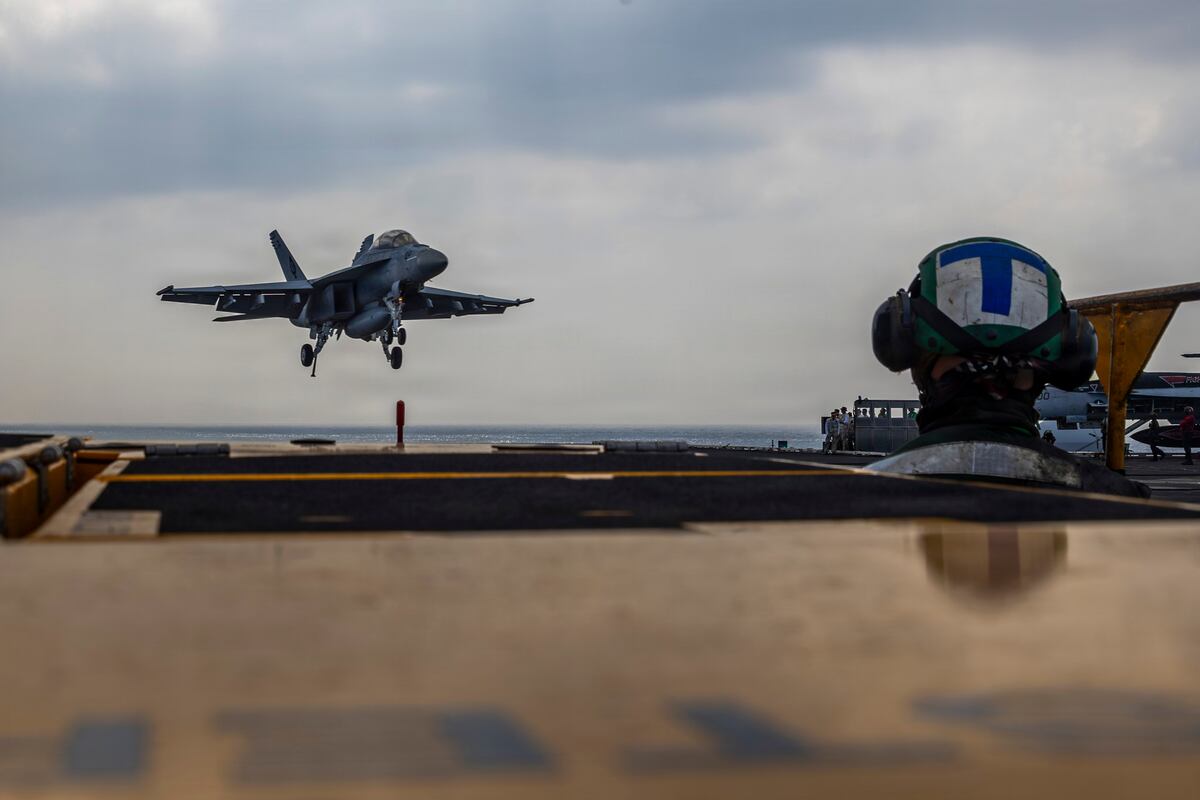
The underlying volatility created by the iran war situation extends beyond immediate financial metrics to shape the broader geopolitical and economic landscape. The US has already stepped in, offering insurance for Gulf shipping and escorting tankers, a move that highlights the critical importance of ensuring the free flow of oil and goods through the region. However, these measures also underscore the increased risk and the direct involvement of major global powers in safeguarding economic stability.
The conflict's human cost is also a stark reminder of its gravity, with reports of US service members killed in action. Such developments contribute to the overall climate of global instability, impacting investor confidence and government policy decisions worldwide. The international community is keenly watching not just the front lines, but also the diplomatic efforts and potential for de-escalation, as these will be pivotal in determining the long-term economic fallout.
Governments and central banks face the delicate task of balancing inflationary pressures with the need to support economic growth. Monetary policy decisions, such as interest rate adjustments, will be heavily influenced by how the conflict evolves and its sustained impact on global commodity prices and supply chains. The recovery of supply lines and economies will be a complex process, demanding strategic planning and international cooperation long after the immediate hostilities subside.
The ripple effects of the iran war situation underscore the delicate balance of the global economy and its profound susceptibility to geopolitical events. From the immediate surge in oil and fuel prices to the creeping rise in mortgage rates and the broader inflationary pressures on everyday goods, the financial impact is undeniable and widespread. While some protections and immediate coping mechanisms are available, the long-term outlook remains uncertain, heavily dependent on the conflict's duration and scope. For individuals and businesses alike, staying informed, adapting financial strategies, and exercising prudence will be key to navigating this globally challenging period.